

Auto Parts: A Complete Guide to Quality, Performance, and Longevity

The auto parts industry plays a critical role in keeping vehicles safe, efficient, and reliable. From essential engine components to comfort-focused interior accessories, auto parts ensure that cars function as intended throughout their lifespan. Whether you are a vehicle owner, mechanic, or enthusiast, understanding auto parts helps you make smarter maintenance and purchasing decisions.
What Are Auto Parts?
Auto parts are individual components that collectively form a vehicle. Each part has a specific role, contributing to performance, safety, fuel efficiency, and driving comfort. Over time, some parts wear out and require replacement to maintain optimal vehicle operation.
Auto parts are broadly categorized into OEM (Original Equipment Manufacturer) parts and aftermarket parts, each offering distinct advantages depending on budget and requirements.
Major Categories of Auto Parts
Engine and Powertrain Components
The engine is the heart of any vehicle, and its parts must operate with precision.
Key engine-related auto parts include:
- Pistons and crankshafts
- Timing belts and chains
- Fuel injectors
- Turbochargers
- Radiators and cooling fans
High-quality engine parts ensure smooth acceleration, better fuel economy, and reduced emissions.
Suspension and Steering Parts
These components provide stability, control, and ride comfort, especially on uneven roads.
Common suspension and steering parts:
- Shock absorbers and struts
- Control arms
- Ball joints
- Tie rods
- Power steering pumps
Worn suspension parts can lead to poor handling and uneven tire wear.
Brake System Parts
The braking system is essential for vehicle safety and must always remain in top condition.
Important brake components include:
- Brake pads
- Brake rotors
- Calipers
- Brake lines
- Master cylinders
Regular inspection and timely replacement of brake parts help prevent accidents and costly repairs.
Electrical and Electronic Components
Modern vehicles rely heavily on electronics for functionality and safety.
Popular electrical auto parts:
- Batteries
- Alternators
- Starters
- Sensors
- Wiring harnesses
Faulty electrical parts can affect ignition, lighting, and onboard systems.
Interior and Exterior Auto Parts
These parts enhance comfort, appearance, and usability.
Examples include:
- Seats and seat covers
- Dashboard components
- Mirrors
- Headlights and taillights
- Bumpers and grilles
Upgrading interior and exterior parts can refresh a vehicle’s look and improve resale value.
OEM vs Aftermarket Auto Parts
Choosing between OEM and aftermarket parts depends on priorities such as cost, warranty, and performance.
OEM Auto Parts
- Designed specifically for your vehicle model
- Guaranteed fit and compatibility
- Typically more expensive
Aftermarket Auto Parts
- Produced by third-party manufacturers
- Often more affordable
- Wider range of performance and upgrade options
Both options can be reliable when sourced from reputable suppliers.
How to Choose the Right Auto Parts
Selecting the right auto parts requires careful consideration to avoid compatibility issues and premature failures.
Key factors to evaluate:
- Vehicle make, model, and year
- Part quality and material
- Manufacturer reputation
- Warranty coverage
- Reviews and certifications
Proper research ensures durability and long-term value.
Benefits of Using High-Quality Auto Parts
Investing in quality auto parts delivers multiple advantages beyond simple replacement.
Main benefits include:
- Improved vehicle safety
- Enhanced performance and efficiency
- Reduced maintenance costs over time
- Longer vehicle lifespan
Cheap or low-quality parts may save money initially but often lead to repeated repairs.
Future Trends in the Auto Parts Industry
The auto parts market is evolving rapidly alongside advancements in automotive technology.
Emerging trends include:
- Electric vehicle-specific components
- Smart sensors and connected parts
- Lightweight materials for better efficiency
- Eco-friendly and recyclable auto parts
These innovations aim to improve sustainability and driving experience.
Frequently Asked Questions (FAQs)
1. How often should auto parts be replaced?
Replacement intervals vary by part, driving habits, and vehicle type. Routine inspections help determine the right timing.
2. Are aftermarket auto parts reliable?
Yes, many aftermarket parts are reliable when purchased from trusted manufacturers and properly installed.
3. Can I install auto parts myself?
Basic parts like filters or batteries can often be installed at home, while complex components should be handled by professionals.
4. Do auto parts come with warranties?
Most reputable auto parts include warranties, though coverage length and terms differ by manufacturer.
5. How can I ensure compatibility when buying auto parts online?
Always match the part number with your vehicle’s specifications and verify fitment details before purchasing.
6. Are used auto parts a good option?
Used parts can be cost-effective for non-critical components, but they should be thoroughly inspected for wear and damage.
7. What auto parts affect fuel efficiency the most?
Engine components, air filters, fuel injectors, and tires significantly influence fuel economy.
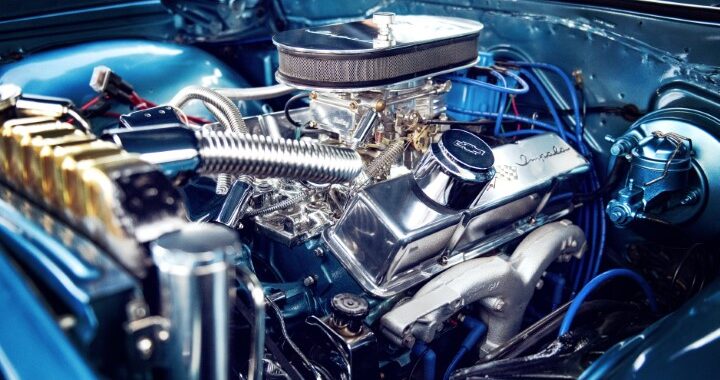 How Quality Auto Parts Improve Vehicle Performance and Driving Safety
 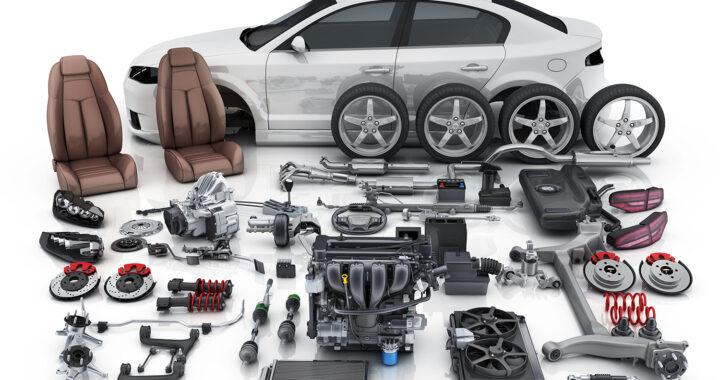 Step By Step Guide To Buying The Best Auto Parts
  Tips for Buying Used Car Parts
  Aftermarket Performance Auto Parts
 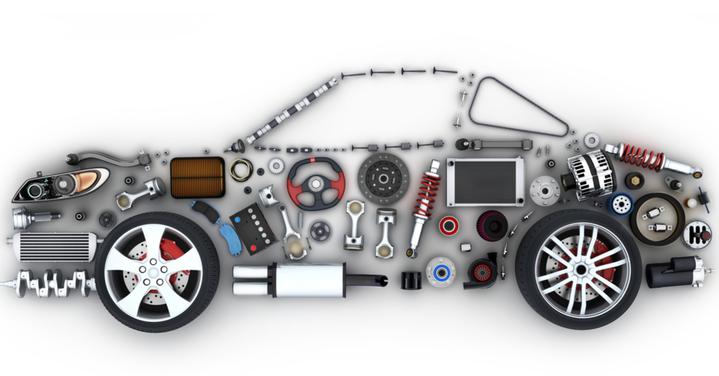 Auto Parts Will Set You Back Big
  Save Money and time – Buy Auto Parts Online
  The Complete Guide to Buying a Bespoke VW Motorhome
  KAIYI Auto Hosts 2026 Global Business Conference, Entering a New Phase of Global Expansion
  Truck Showdown in Florida: Owner-Loved Winners and Regretted Losers
  How Software Updates Are Becoming Part of Auto Service