

The Automotive Industry in Transition: How Technology Is Redefining Mobility
Introduction
The automotive industry is undergoing one of the most significant transformations in its history. What was once defined by mechanical engineering and combustion engines is now driven by software, electrification, and intelligent systems. From electric vehicles to connected cars, modern automobiles are rapidly becoming advanced mobility platforms rather than simple modes of transport.
This shift is not only changing how vehicles are built, but also how they are owned, driven, and experienced.
The Rise of Electric Vehicles (EVs)
Electric vehicles have moved from niche products to mainstream options. Advances in battery technology and charging infrastructure are making EVs more practical for everyday use.
Key Drivers Behind EV Adoption
- Improved battery range reducing range anxiety
- Lower operating costs compared to fuel-powered vehicles
- Government incentives encouraging cleaner transportation
- Growing environmental awareness among consumers
Modern EVs now offer competitive acceleration, quiet operation, and minimal maintenance, making them appealing beyond environmental benefits alone.
Smart Cars and Connected Technology
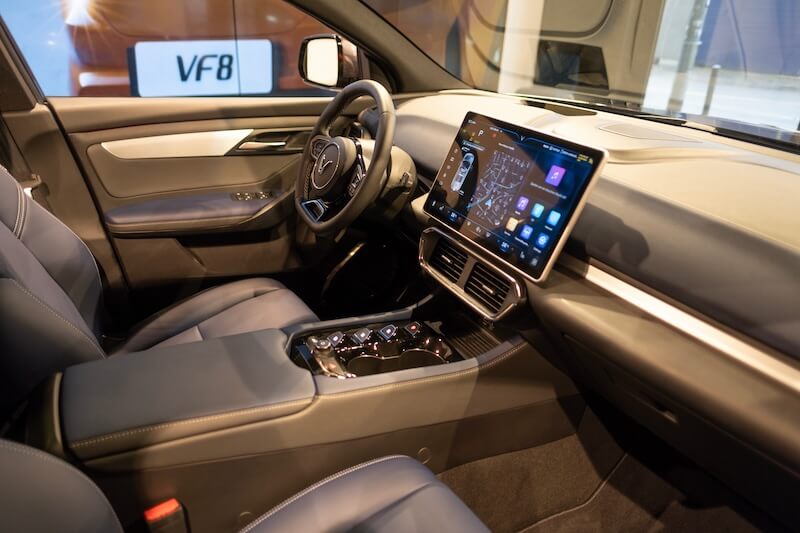
Today’s vehicles are increasingly defined by their digital capabilities. Smart automotive systems integrate hardware and software to enhance safety, comfort, and efficiency.
Core Smart Features in Modern Vehicles
- Advanced Driver Assistance Systems (ADAS) for collision avoidance
- Over-the-air software updates for continuous improvements
- Infotainment systems with voice control and AI assistants
- Vehicle-to-device connectivity enabling remote monitoring
These features turn vehicles into intelligent companions that adapt to driver behavior and road conditions.
Autonomous Driving: Progress and Reality
While fully autonomous cars are still evolving, partial automation is already common. Features such as adaptive cruise control and lane-centering assist are becoming standard in many segments.
Current Levels of Automation
- Level 1–2: Driver assistance with active supervision
- Level 3: Conditional automation in limited scenarios
- Level 4–5: High to full automation under development
The challenge lies in balancing technological capability with safety, regulation, and public trust.
Sustainability Beyond the Engine
Sustainability in automotive manufacturing now extends beyond emissions. Automakers are focusing on eco-friendly materials and efficient production methods.
Sustainable Automotive Innovations
- Recycled plastics and bio-based interiors
- Lightweight materials improving energy efficiency
- Energy-efficient manufacturing plants
- Battery recycling and second-life applications
This holistic approach reduces the environmental footprint across the entire vehicle lifecycle.
Changing Consumer Expectations
Car buyers today value experience as much as performance. Convenience, customization, and digital integration now influence purchasing decisions more than traditional metrics like engine size.
What Modern Drivers Prioritize
- Seamless smartphone integration
- Subscription-based features and services
- Flexible ownership models
- Enhanced safety and personalization
The vehicle is no longer just a product—it’s part of a connected lifestyle.
The Road Ahead for the Automotive Industry
The future of automotive innovation will be shaped by collaboration between engineers, software developers, and sustainability experts. As mobility continues to evolve, vehicles will become cleaner, smarter, and more integrated into daily life.
Manufacturers that successfully blend technology, design, and environmental responsibility will define the next era of transportation.
Frequently Asked Questions (FAQ)
1. How long do electric vehicle batteries typically last?
Most modern EV batteries are designed to last 8–15 years, depending on usage, climate, and charging habits.
2. Are electric vehicles more expensive to maintain?
No, EVs generally have lower maintenance costs because they have fewer moving parts and do not require oil changes.
3. What is the difference between hybrid and fully electric cars?
Hybrid vehicles use both a fuel engine and an electric motor, while fully electric vehicles rely solely on battery power.
4. How secure are connected car systems?
Automakers use encryption and regular software updates to reduce cybersecurity risks, though continued improvement remains essential.
5. Will autonomous cars eliminate the need for drivers?
In the near future, drivers will still be required. Full autonomy depends on regulatory approval, infrastructure, and safety validation.
6. Are sustainable materials durable in vehicles?
Yes, modern sustainable materials are engineered to meet strict durability and safety standards.
7. What role does software play in modern vehicles?
Software controls everything from safety systems to entertainment, making it a core component of vehicle performance and user experience.
 KAIYI Auto Hosts 2026 Global Business Conference, Entering a New Phase of Global Expansion
  Truck Showdown in Florida: Owner-Loved Winners and Regretted Losers
  How to Get a Light Forklift Licence in Dubai: Everything You Need to Know
  How DC Chargers Are Shaping the Future of E-Mobility
  Understanding Gearbox Types: A Comprehensive Overview
  “Dominator’s Low Rider S Handlebar Kits: Elevate Your Ride with Precision and Style”
  How Software Updates Are Becoming Part of Auto Service
  The Importance of Engine Tune-Ups in Auto Service