

How Regular Auto Service Extends the Life of Your Vehicle
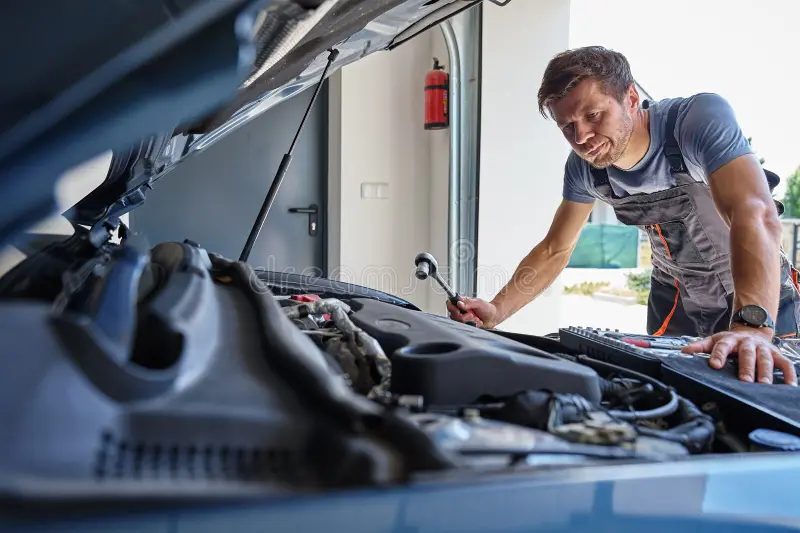
A vehicle is one of the most significant investments many people make, yet it’s often neglected until something goes wrong. Regular auto service is not just about fixing problems—it’s about preventing them. Consistent maintenance plays a direct role in extending your vehicle’s lifespan, improving reliability, and reducing long-term ownership costs.
Understanding how routine service impacts your car can help you protect your investment and enjoy smoother driving for years to come.
The Connection Between Maintenance and Vehicle Longevity
Every vehicle is built with precise engineering, and each component relies on others to function correctly. When one system is ignored, it places stress on the rest. Regular auto service keeps all systems operating in balance, reducing unnecessary wear and tear.
Well-maintained vehicles experience:
- Fewer mechanical failures
- More consistent performance
- Slower component degradation
Over time, these benefits translate into a longer-lasting car.
Preventing Small Issues From Becoming Major Repairs
Minor problems rarely stay minor when left unchecked. A loose belt, dirty filter, or low fluid level can quickly escalate into expensive repairs.
Early Detection Through Routine Inspections
During scheduled service, technicians inspect critical systems and identify early warning signs such as:
- Worn brake components
- Fluid leaks
- Failing belts or hoses
- Irregular tire wear
Catching these issues early prevents damage to more expensive parts like engines or transmissions.
Engine Health: The Heart of Vehicle Longevity
The engine works harder than any other part of your vehicle. Regular service directly impacts how long it lasts.
Importance of Oil Changes and Fluid Maintenance
Fresh oil reduces friction, controls heat, and prevents internal corrosion. Clean fluids ensure smooth operation across multiple systems.
Key engine-related services include:
- Engine oil and filter changes
- Coolant system inspections
- Transmission fluid servicing
- Fuel system cleaning
Neglecting these essentials shortens engine life significantly.
Protecting the Transmission and Drivetrain
The transmission and drivetrain are among the most expensive components to repair or replace. Regular service helps protect them from premature failure.
Benefits of consistent drivetrain maintenance:
- Smooth gear shifting
- Reduced internal stress
- Lower risk of overheating
Following manufacturer-recommended service intervals is critical for these systems.
How Regular Service Improves Driving Efficiency
A well-maintained vehicle doesn’t just last longer—it runs better.
Routine auto service helps:
- Improve fuel efficiency
- Maintain consistent acceleration
- Reduce vibrations and noise
- Enhance overall driving comfort
Efficient performance reduces strain on components, directly contributing to extended vehicle life.
Tire and Suspension Care for Long-Term Stability
Tires and suspension systems absorb constant road impact. Without proper maintenance, they wear unevenly and affect other parts of the vehicle.
Benefits of Tire and Suspension Maintenance
Regular service ensures:
- Even tire wear and longer tire life
- Proper wheel alignment
- Reduced stress on steering components
These services help preserve vehicle stability and structural integrity.
Electrical System Maintenance and Reliability
Modern vehicles rely heavily on electronic components. A failing battery or weak electrical connection can strain multiple systems.
Regular checks of:
- Battery condition
- Alternator performance
- Wiring and sensors
help prevent unexpected failures and ensure reliable operation over time.
The Role of Preventive Maintenance Schedules
Preventive maintenance follows a structured plan rather than reacting to breakdowns. This approach minimizes downtime and extends vehicle longevity.
Advantages of preventive service schedules include:
- Predictable maintenance costs
- Fewer roadside emergencies
- Better long-term reliability
Staying consistent with scheduled service is one of the smartest decisions a car owner can make.
Resale Value and Long-Term Ownership Benefits
A vehicle with documented regular service typically commands a higher resale value. Buyers view consistent maintenance as proof of reliability and care.
Long-term benefits include:
- Stronger resale appeal
- Lower lifetime repair costs
- Extended usable lifespan
Regular service pays off even when it’s time to sell or trade in your vehicle.
FAQs About Regular Auto Service and Vehicle Longevity
How long can a car last with proper maintenance?
With consistent service, many modern vehicles can last 200,000 miles or more without major issues.
Does regular service really prevent breakdowns?
While no car is immune to problems, routine maintenance greatly reduces the risk of unexpected failures.
Is servicing an older vehicle still worth it?
Yes. Regular service can significantly extend the life of older vehicles and improve reliability.
Can missed maintenance shorten vehicle lifespan permanently?
In some cases, yes. Neglecting critical services can cause irreversible damage to key components.
How do driving habits affect maintenance needs?
Aggressive driving, short trips, and heavy loads increase wear, making regular service even more important.
Are service reminders reliable indicators?
They are helpful, but owner manuals and professional inspections provide the most accurate guidance.
Does climate affect how often I should service my car?
Extreme heat, cold, or dusty conditions can increase maintenance frequency needs.
 How Software Updates Are Becoming Part of Auto Service
  The Importance of Engine Tune-Ups in Auto Service
  Car Repair: A Practical Guide to Keeping Your Vehicle Reliable
  5 Guidelines To Help You Effectively Operate A Vehicle Repair Center
  Vehicle Repair Scams: Why Traditional Scam Tips For Prevention Can Cost You A Lot Of Money
  DIY Vehicle Repairs
  The Complete Guide to Buying a Bespoke VW Motorhome
  KAIYI Auto Hosts 2026 Global Business Conference, Entering a New Phase of Global Expansion
  Truck Showdown in Florida: Owner-Loved Winners and Regretted Losers