

How DC Chargers Are Shaping the Future of E-Mobility
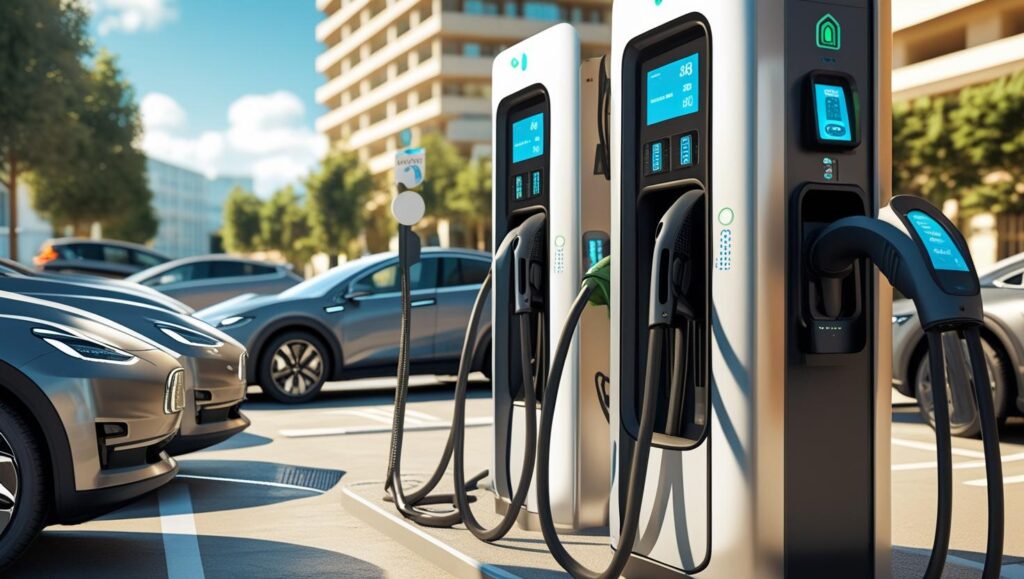
The shift towards electric vehicles (EVs) is gaining momentum globally, and Thailand is no exception. As more drivers consider making the switch, the conversation naturally turns to charging infrastructure. Fast, reliable charging is essential for the widespread adoption of electric cars. This is where DC (Direct Current) chargers are making a significant difference.
DC fast chargers represent a major step forward in convenience for EV owners. Unlike standard AC (Alternating Current) chargers, which can take several hours to replenish a battery, DC chargers provide power directly to the vehicle’s battery. This process greatly reduces charging times, often bringing a battery to 80% capacity in under an hour. A well-placed DC electric vehicle charger can support long-distance travel and ease the “range anxiety” that some prospective buyers feel.
In Thailand, the expansion of the DC charging network is a fundamental part of the country’s push towards a greener transport system. With government support and private investment, these high-speed stations are becoming more common along major highways and in urban centres like Bangkok and Chiang Mai. This growing network allows EV drivers to travel between provinces with greater confidence, making electric cars a practical option for daily commutes and longer trips.
The presence of robust charging infrastructure directly influences consumer behaviour. When drivers see a reliable network of fast chargers, they are more likely to invest in an electric vehicle. This, in turn, accelerates the transition away from petrol and diesel cars. The result is a positive cycle: increased EV adoption encourages further investment in charging points, which then makes EVs even more attractive to the public. For Thailand, this means cleaner air in its bustling cities and a reduced national carbon footprint.
Furthermore, the technology behind DC chargers is continuously improving. Newer models offer even faster charging speeds and improved efficiency. As these advancements become standard, the time spent at a charging station will become comparable to a quick stop at a traditional petrol station. This convenience is a powerful motivator for drivers who value their time.
The development of DC charging infrastructure is not just about placing chargers on a map. It involves strategic planning to ensure they are located where they are most needed. This includes shopping centres, business parks, and residential areas, integrating EV charging into the fabric of daily life.
DC chargers are a foundational element in building Thailand’s e-mobility future. By providing fast and convenient charging, they address one of the main concerns for potential EV buyers. As the network expands and technology improves, these chargers will play an even greater part in encouraging a nationwide move towards sustainable transportation, benefiting both the environment and the Thai people.
 KAIYI Auto Hosts 2026 Global Business Conference, Entering a New Phase of Global Expansion
  Truck Showdown in Florida: Owner-Loved Winners and Regretted Losers
  How to Get a Light Forklift Licence in Dubai: Everything You Need to Know
  The Automotive Industry in Transition: How Technology Is Redefining Mobility
  Understanding Gearbox Types: A Comprehensive Overview
  “Dominator’s Low Rider S Handlebar Kits: Elevate Your Ride with Precision and Style”
  How Software Updates Are Becoming Part of Auto Service
  The Importance of Engine Tune-Ups in Auto Service