

Car Repair: A Practical Guide to Keeping Your Vehicle Reliable
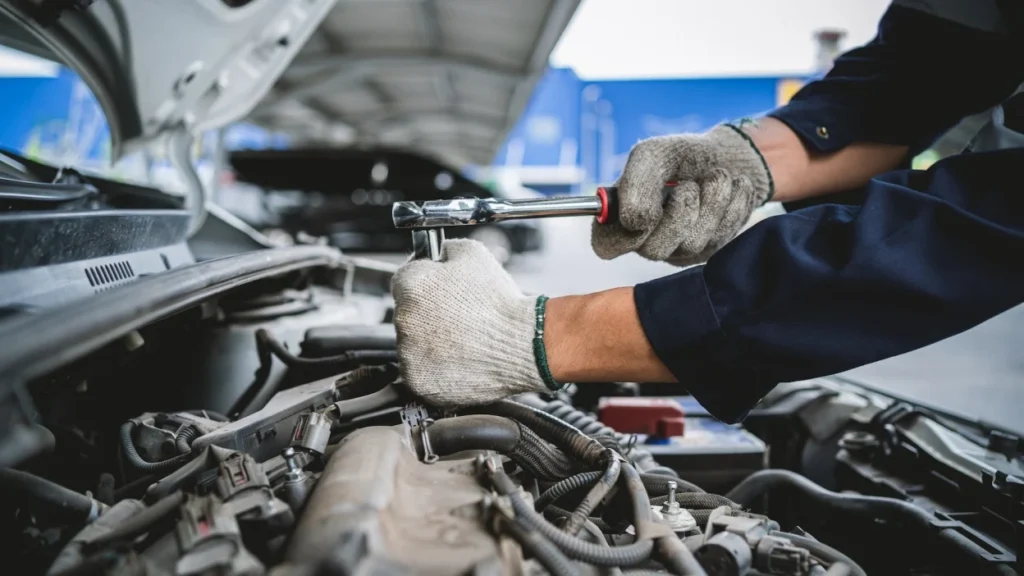
Car repair is an essential part of vehicle ownership. Whether you drive daily for work or occasionally for errands, maintaining your car ensures safety, performance, and long-term savings. Understanding the basics of car repair helps you make informed decisions, avoid unnecessary expenses, and recognize problems before they turn into major breakdowns.
What Is Car Repair and Why It Matters
Car repair refers to diagnosing, fixing, and maintaining the mechanical, electrical, and electronic systems of a vehicle. Regular repairs and servicing help prevent unexpected failures and extend the lifespan of your car.
Key benefits of timely car repair include:
- Improved road safety
- Better fuel efficiency
- Reduced long-term repair costs
- Higher resale value
- Reliable day-to-day performance
Ignoring small issues, such as warning lights or unusual noises, can lead to costly damage over time.
Common Types of Car Repair Services
Different car problems require different repair solutions. Knowing the most common categories helps you communicate effectively with mechanics.
Engine Repairs
The engine is the heart of your car. Engine repairs range from simple fixes to complex overhauls.
Typical engine-related repairs include:
- Spark plug replacement
- Timing belt or chain repair
- Oil leak fixes
- Overheating and cooling system repairs
Early detection of engine problems can prevent complete engine failure.
Brake System Repairs
Brakes are one of the most critical safety components in any vehicle.
Common brake repairs involve:
- Brake pad and rotor replacement
- Brake fluid flushing
- ABS sensor repairs
- Caliper servicing
Squealing noises, vibrations, or longer stopping distances often indicate brake issues.
Electrical and Diagnostic Repairs
Modern cars rely heavily on electronics and sensors.
Electrical repair services may include:
- Battery replacement
- Alternator or starter motor repair
- Diagnostic scans for warning lights
- Sensor replacements
A professional diagnostic scan helps pinpoint issues accurately without guesswork.
Suspension and Steering Repairs
A smooth and controlled ride depends on a healthy suspension and steering system.
Typical suspension and steering repairs include:
- Shock absorber or strut replacement
- Wheel alignment
- Ball joint and control arm repair
- Power steering system fixes
Uneven tire wear or poor handling often signals suspension problems.
Signs Your Car Needs Immediate Repair
Recognizing early warning signs can save you from expensive repairs and unsafe driving conditions.
Watch out for these common symptoms:
- Dashboard warning lights
- Unusual noises or vibrations
- Reduced fuel efficiency
- Difficulty starting the car
- Fluid leaks under the vehicle
If any of these signs appear, it’s best to consult a professional mechanic promptly.
DIY Car Repair vs Professional Service
Some car repairs can be handled at home, while others require specialized tools and expertise.
Repairs You Can Often Do Yourself
- Replacing air filters
- Changing engine oil
- Swapping windshield wipers
- Replacing cabin filters
Repairs Best Left to Professionals
- Engine and transmission work
- Brake system repairs
- Electrical diagnostics
- Suspension and steering repairs
Attempting complex repairs without proper knowledge can lead to further damage and safety risks.
How to Choose a Reliable Car Repair Shop
Selecting the right repair shop ensures quality service and fair pricing.
Consider these factors when choosing a repair shop:
- Certified and experienced mechanics
- Transparent pricing and written estimates
- Positive customer reviews
- Warranty on parts and labor
- Modern diagnostic equipment
Building a long-term relationship with a trusted mechanic can make car ownership much easier.
Preventive Maintenance: The Key to Fewer Repairs
Preventive maintenance reduces the likelihood of unexpected breakdowns.
Essential maintenance practices include:
- Regular oil and filter changes
- Tire rotation and balancing
- Brake inspections
- Fluid level checks
- Scheduled manufacturer services
Consistent maintenance keeps your car running efficiently and minimizes repair costs.
Frequently Asked Questions (FAQs)
1. How often should I take my car for a general inspection?
Most experts recommend a general inspection every 6 months or every 10,000–15,000 kilometers, depending on driving habits.
2. Is it safe to drive with the check engine light on?
A steady check engine light may indicate a minor issue, but flashing lights signal serious problems that require immediate attention.
3. How can I reduce car repair costs over time?
Regular maintenance, early problem detection, and choosing a reliable repair shop help minimize long-term repair expenses.
4. What is the difference between maintenance and repair?
Maintenance focuses on preventing issues, while repairs fix existing problems or damaged components.
5. Do aftermarket parts affect car performance?
Quality aftermarket parts can perform well, but poor-quality ones may reduce reliability and void warranties.
6. How long does a typical car repair take?
Simple repairs may take a few hours, while complex engine or transmission work can take several days.
7. Should I repair or replace an old car?
If repair costs exceed the car’s value or reliability is compromised, replacement may be a better long-term option.
 How Software Updates Are Becoming Part of Auto Service
  The Importance of Engine Tune-Ups in Auto Service
  How Regular Auto Service Extends the Life of Your Vehicle
 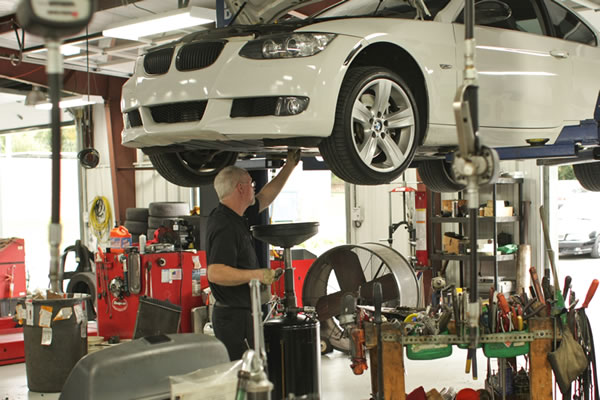 5 Guidelines To Help You Effectively Operate A Vehicle Repair Center
  Vehicle Repair Scams: Why Traditional Scam Tips For Prevention Can Cost You A Lot Of Money
  DIY Vehicle Repairs
  KAIYI Auto Hosts 2026 Global Business Conference, Entering a New Phase of Global Expansion
  Truck Showdown in Florida: Owner-Loved Winners and Regretted Losers