

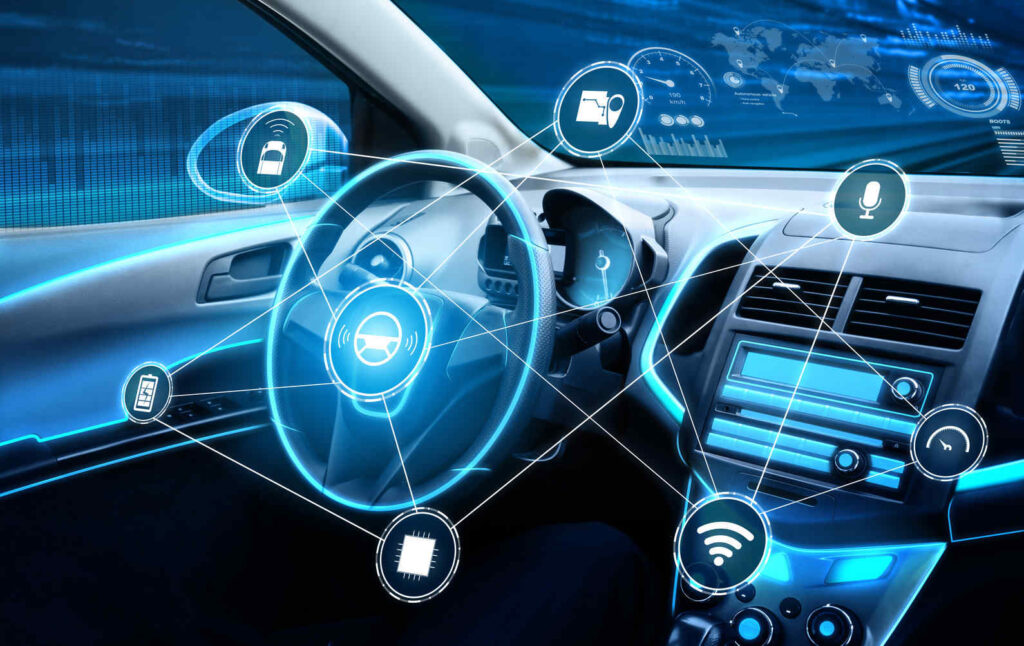
Introduction
Advancements in vehicle technology have transformed road safety on a global scale. What was once dependent solely on driver skill is now supported by intelligent systems designed to prevent accidents, reduce injuries, and save lives. From smart sensors to automated emergency responses, modern vehicles actively work to protect drivers, passengers, and pedestrians.
As road traffic continues to increase worldwide, safety-focused innovations are becoming essential rather than optional.
Advanced Driver Assistance Systems (ADAS)
One of the most impactful developments in vehicle safety is Advanced Driver Assistance Systems. These technologies assist drivers in real time and significantly reduce human error.
Key ADAS Features Improving Safety
- Automatic Emergency Braking (AEB) to prevent collisions
- Lane Departure Warning to avoid unintentional lane changes
- Adaptive Cruise Control for maintaining safe distances
- Traffic Sign Recognition for improved awareness
These systems continuously monitor surroundings and respond faster than human reflexes in critical situations.
Collision Prevention Through Smart Sensors
Modern vehicles are equipped with a network of cameras, radar, and ultrasonic sensors that provide 360-degree awareness.
How Sensors Enhance Safety
- Detect vehicles in blind spots
- Warn drivers of approaching hazards
- Assist with safe parking and maneuvering
This technology minimizes accidents caused by poor visibility or driver distraction.
Improved Vehicle Stability and Control
Electronic systems now help drivers maintain control in challenging conditions.
Stability and Control Technologies
- Electronic Stability Control (ESC) prevents skidding
- Traction Control Systems reduce wheel slip
- Anti-lock Braking Systems (ABS) ensure steering control during braking
These features are especially effective in wet, icy, or uneven road conditions.
Smart Airbags and Structural Safety
Vehicle design has evolved to focus on occupant protection during collisions.
Passive Safety Innovations
- Multi-stage airbags that adjust deployment force
- Reinforced crumple zones to absorb impact energy
- Stronger cabin structures to protect occupants
These advancements significantly reduce injury severity during accidents.
Driver Monitoring Systems
Fatigue and distraction are major causes of accidents. New technology addresses this directly.
Monitoring Driver Behavior
- Detects drowsiness through eye and head movement
- Issues alerts when attention drops
- Encourages safer driving habits
By identifying risky behavior early, these systems prevent accidents before they occur.
Connected Vehicle Technology
Connected vehicles communicate with infrastructure and other vehicles to improve situational awareness.
Benefits of Vehicle Connectivity
- Real-time traffic and hazard alerts
- Emergency assistance after accidents
- Improved navigation and route safety
This shared data ecosystem enhances safety beyond individual vehicles.
Role of Artificial Intelligence in Safety
Artificial intelligence plays a growing role in analyzing driving patterns and predicting risks.
AI-Powered Safety Capabilities
- Predictive collision avoidance
- Intelligent decision-making in emergencies
- Continuous learning to improve system accuracy
AI enables vehicles to adapt to real-world driving conditions more effectively over time.
Global Impact of Safety Technology
Governments and manufacturers worldwide are adopting stricter safety standards. As a result:
- Road fatalities are declining in many regions
- Safer vehicles are becoming more accessible
- Technology-driven safety is now a global priority
These advancements benefit drivers regardless of location or vehicle class.
The Future of Driver Safety
The next phase of vehicle safety includes:
- Higher levels of driving automation
- Enhanced pedestrian detection systems
- Integration with smart city infrastructure
The ultimate goal is zero-accident mobility, where technology compensates for human limitations.
Frequently Asked Questions (FAQs)
How does vehicle technology reduce accidents?
It reduces accidents by detecting hazards early, assisting driver decisions, and automatically intervening when necessary.
Are advanced safety features only available in expensive vehicles?
No, many safety technologies are becoming standard even in mid-range and budget vehicles.
Can driver assistance systems replace human drivers?
They assist but do not fully replace drivers. Human attention is still required in most vehicles.
Do safety technologies work in bad weather?
Most systems are designed to function in various conditions, though performance may vary in extreme weather.
How does driver monitoring technology improve safety?
It detects fatigue and distraction, alerting drivers before their condition becomes dangerous.
Are connected vehicles safer than non-connected ones?
Yes, connectivity improves awareness through real-time data sharing and faster emergency response.
Will future vehicles eliminate road accidents completely?
While total elimination is challenging, ongoing advancements aim to drastically reduce accidents and fatalities worldwide.
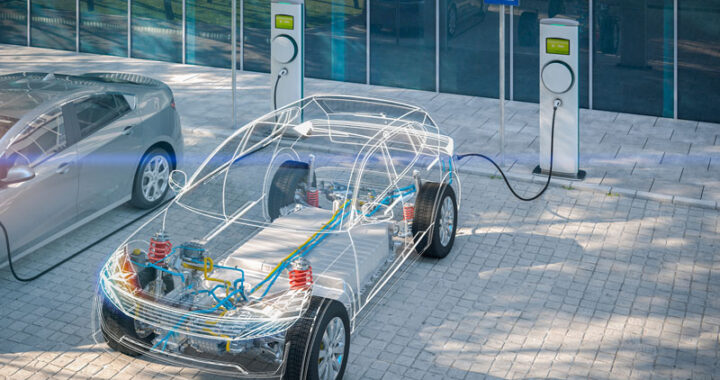 Vehicle: Evolution, Types, and the Future of Mobility
  4 Things to Do Before You Shop for a New Motorbike
  What Things To Consider When Purchasing Alternative Fuel Vehicles?
 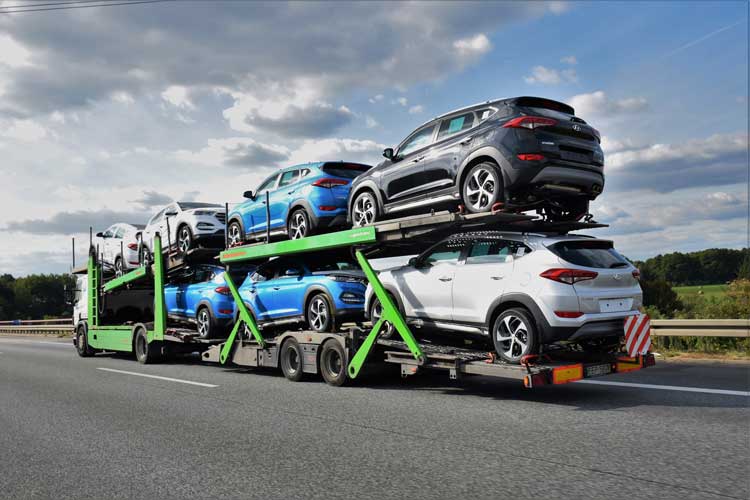 Vehicle Shipping Cost
 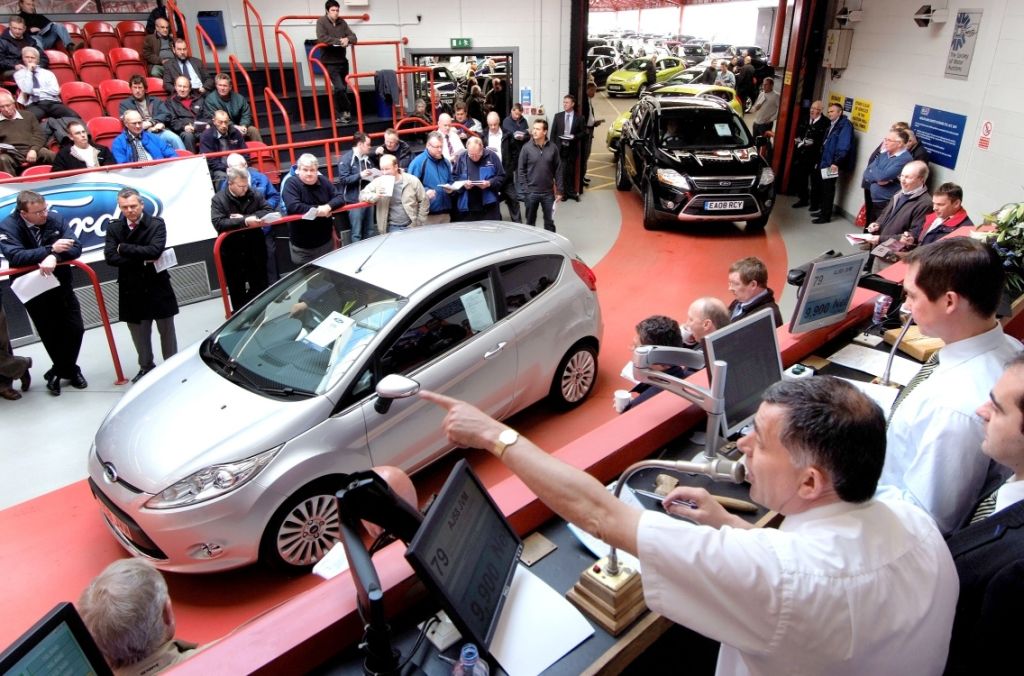 Where To Find A Good Vehicle On Online Vehicle Auctions
  The Fleet Vehicle Keeper: Its Use And Importance
  The Complete Guide to Buying a Bespoke VW Motorhome
  KAIYI Auto Hosts 2026 Global Business Conference, Entering a New Phase of Global Expansion
  Truck Showdown in Florida: Owner-Loved Winners and Regretted Losers
  How Software Updates Are Becoming Part of Auto Service