

Vehicle: Evolution, Types, and the Future of Mobility
Introduction to Vehicles
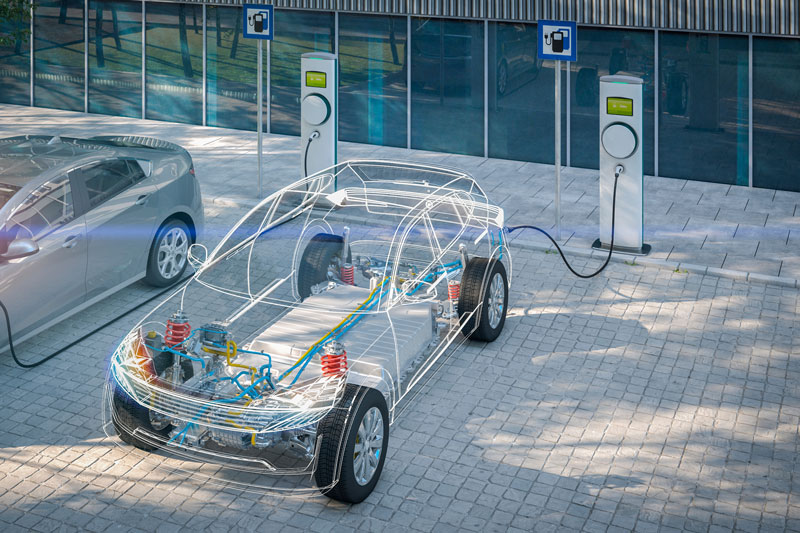
A vehicle is a machine designed to transport people or goods from one place to another. Over time, vehicles have evolved from simple mechanical designs to highly advanced systems powered by electricity, software, and intelligent automation. Today, vehicles play a crucial role in daily life, global trade, and economic growth.
Understanding how vehicles work, the types available, and where the industry is heading helps consumers make informed decisions and stay prepared for future transportation trends.
Types of Vehicles
Vehicles are categorized based on their purpose, size, and power source. Each type serves a unique role in mobility.
Passenger Vehicles
Passenger vehicles are designed primarily for personal or family use. Common examples include:
- Cars for daily commuting and travel
- Sedans offering comfort and fuel efficiency
- SUVs providing space and versatility
- Hatchbacks known for compact design and practicality
Commercial Vehicles
Commercial vehicles are used for transporting goods or providing services.
- Trucks for logistics and freight
- Vans for deliveries and small businesses
- Buses for public and private transportation
Two- and Three-Wheelers
These vehicles are popular for short-distance travel and urban commuting.
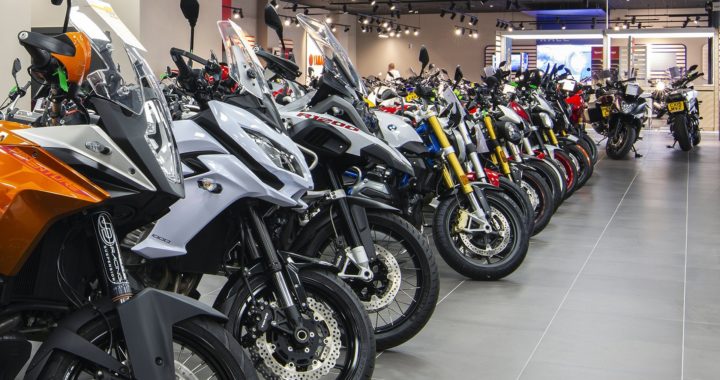
- Motorcycles for speed and efficiency
- Scooters for convenience and ease of use
- Auto-rickshaws for local transport in many regions
Special-Purpose Vehicles
Designed for specific tasks, such vehicles include:
- Emergency vehicles such as ambulances and fire trucks
- Construction vehicles like excavators and loaders
- Agricultural vehicles including tractors and harvesters
Key Components of a Vehicle
Every vehicle relies on several essential systems working together seamlessly.
Powertrain System
The powertrain generates and delivers power to the wheels. It includes:
- Engine or electric motor
- Transmission
- Driveshaft and axles
Chassis and Body
The chassis forms the structural backbone, while the body provides shape, aerodynamics, and passenger protection.
Suspension and Braking
These systems ensure stability, comfort, and safety.
- Suspension absorbs road shocks
- Brakes control speed and stopping distance
Electrical and Electronics
Modern vehicles rely heavily on electronics for:
- Lighting and infotainment
- Driver assistance systems
- Battery and energy management
Vehicle Safety Features
Safety has become a top priority in vehicle design. Modern vehicles include both passive and active safety features.
Passive Safety
Passive systems protect occupants during an accident.
- Seat belts
- Airbags
- Crumple zones
Active Safety
Active safety features help prevent accidents.
- Anti-lock braking systems (ABS)
- Electronic stability control
- Collision warning and automatic braking
Fuel Types and Energy Sources
Vehicles operate using different energy sources, each with advantages and limitations.
Internal Combustion Engines
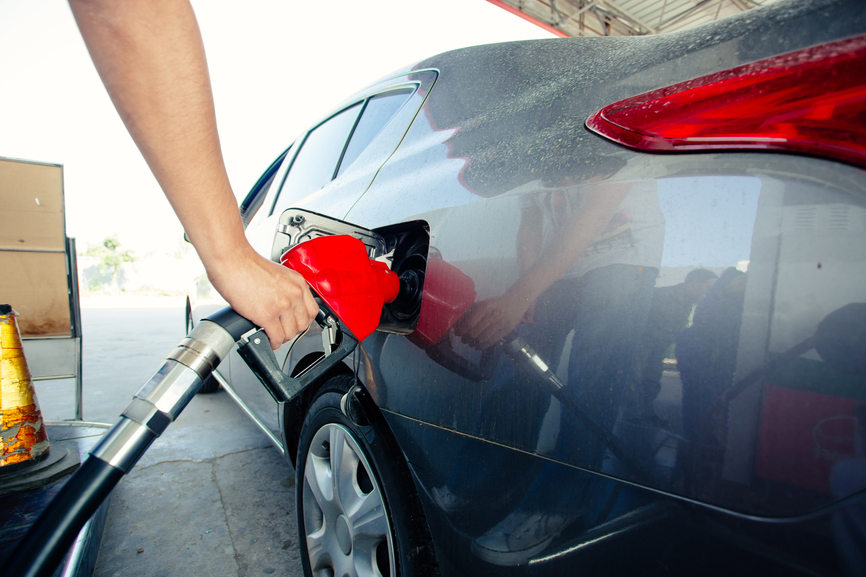
Traditional vehicles use petrol or diesel engines. They are widely available and powerful but contribute to emissions.
Hybrid Vehicles
Hybrids combine an internal combustion engine with an electric motor, improving fuel efficiency and reducing emissions.
Electric Vehicles
Electric vehicles run entirely on electricity.
- Zero tailpipe emissions
- Lower operating costs
- Growing charging infrastructure
Alternative Fuels
Some vehicles use alternative fuels such as:
- Compressed natural gas (CNG)
- Hydrogen fuel cells
- Biofuels
Technological Advancements in Vehicles
Technology is transforming how vehicles are designed and used.
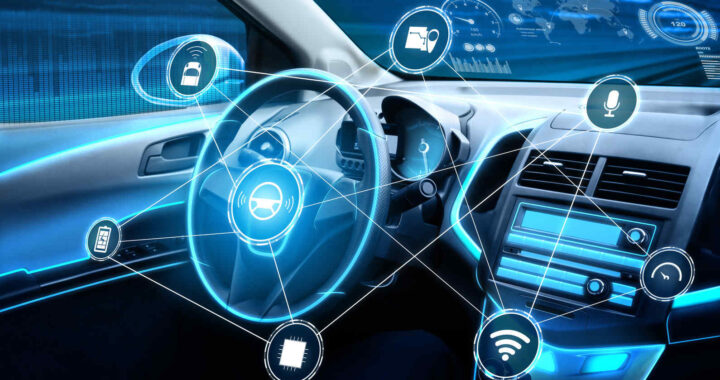
Connected Vehicles
Connected vehicles use internet and sensors to communicate with other vehicles and infrastructure, enhancing navigation and safety.
Autonomous Driving
Self-driving technology aims to reduce human error by using cameras, radar, and artificial intelligence to control the vehicle.
Advanced Infotainment
Modern dashboards feature touchscreens, voice controls, and smartphone integration for a seamless driving experience.
Environmental Impact of Vehicles
Vehicles significantly affect the environment through emissions and energy consumption. Governments and manufacturers are focusing on:
- Reducing carbon emissions
- Improving fuel efficiency
- Promoting electric and low-emission vehicles
Sustainable mobility solutions aim to balance transportation needs with environmental responsibility.
The Future of Vehicles
The future of vehicles is shaped by innovation and sustainability. Key trends include:
- Widespread adoption of electric vehicles
- Expansion of autonomous driving capabilities
- Smarter traffic management systems
- Increased use of renewable energy sources
These changes are expected to make transportation safer, cleaner, and more efficient.
Frequently Asked Questions (FAQs)
What is the main difference between electric and hybrid vehicles?
Electric vehicles run solely on electricity, while hybrid vehicles use both an electric motor and a fuel engine.
Are electric vehicles suitable for long-distance travel?
Yes, with improving battery range and expanding charging networks, electric vehicles are becoming more practical for long trips.
How often should a vehicle be serviced?
Most vehicles require servicing every 6 to 12 months, depending on usage and manufacturer recommendations.
What safety features should I prioritize when buying a vehicle?
Key features include airbags, ABS, electronic stability control, and advanced driver assistance systems.
Do vehicles with automatic transmission consume more fuel?
Modern automatic transmissions are highly efficient and often consume fuel similar to or less than manual transmissions.
How can I reduce my vehicle’s environmental impact?
You can reduce impact by maintaining proper tire pressure, driving smoothly, using eco-friendly fuels, or switching to an electric or hybrid vehicle.
What factors affect a vehicle’s resale value?
Condition, mileage, brand reputation, service history, and market demand all influence resale value.
 How Vehicle Technology Is Improving Driver Safety Worldwide
  4 Things to Do Before You Shop for a New Motorbike
  What Things To Consider When Purchasing Alternative Fuel Vehicles?
 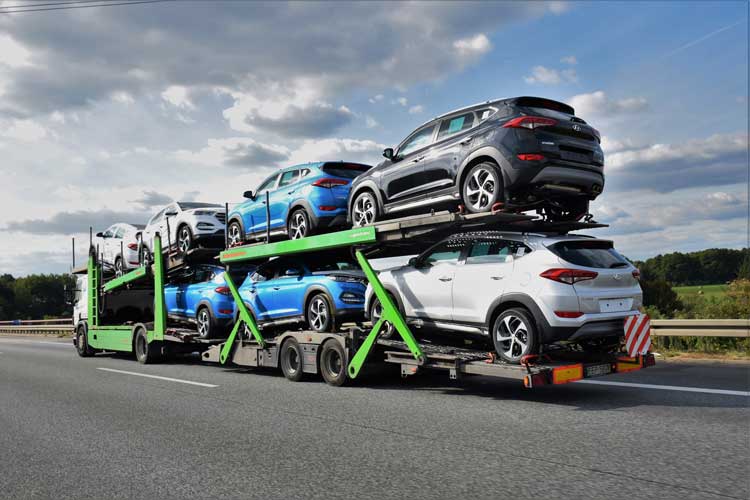 Vehicle Shipping Cost
 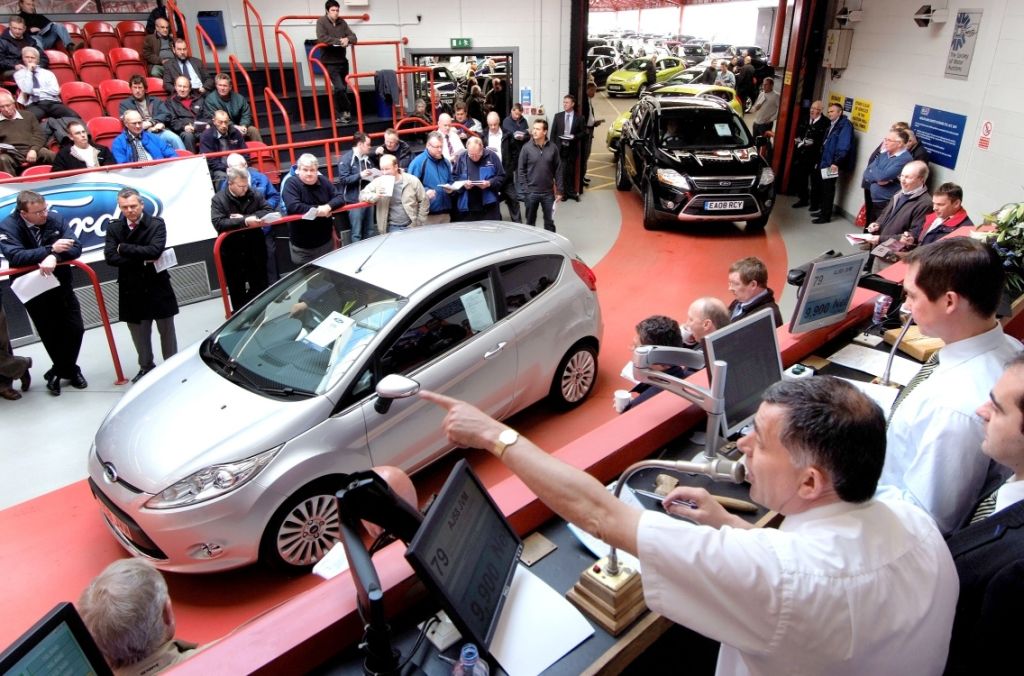 Where To Find A Good Vehicle On Online Vehicle Auctions
 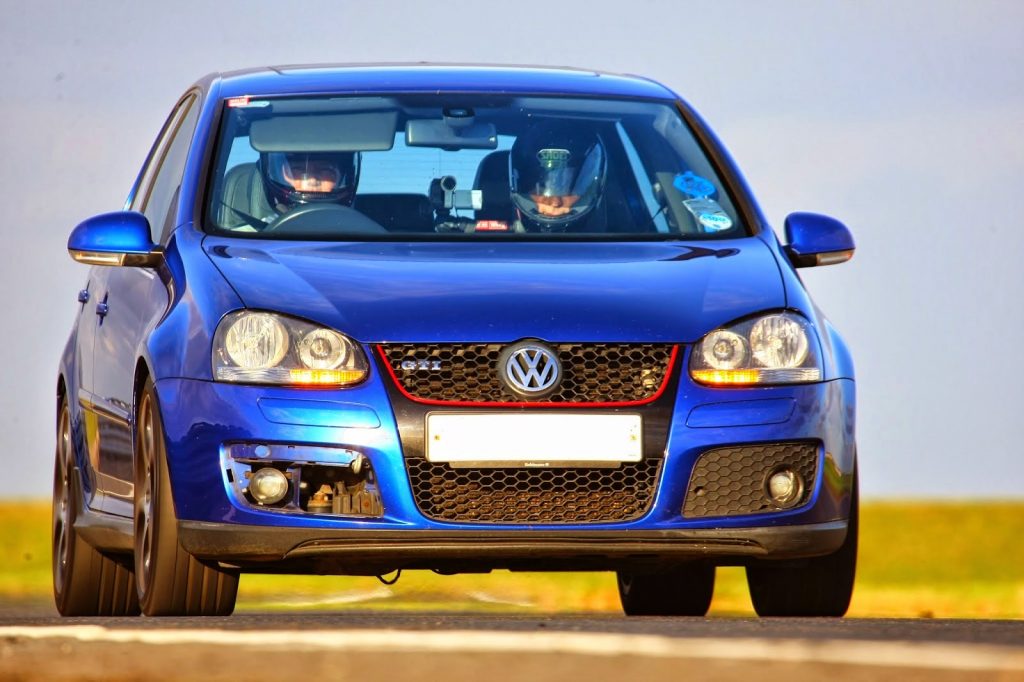 The Fleet Vehicle Keeper: Its Use And Importance
 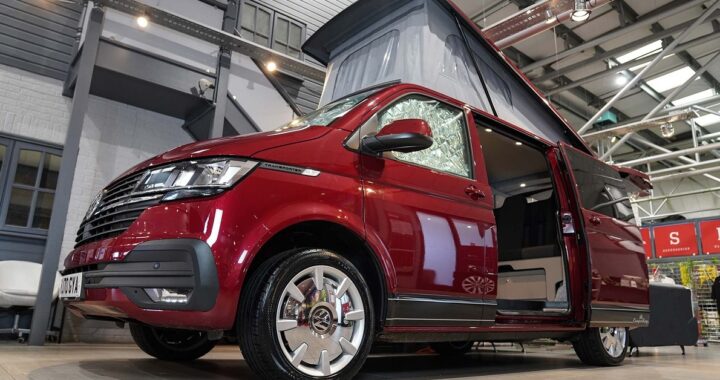 The Complete Guide to Buying a Bespoke VW Motorhome
  KAIYI Auto Hosts 2026 Global Business Conference, Entering a New Phase of Global Expansion
 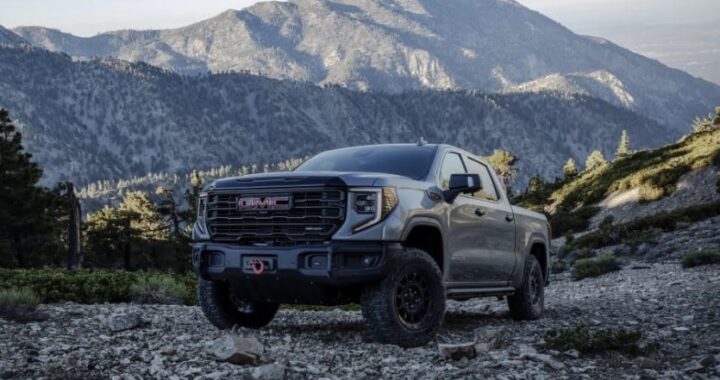 Truck Showdown in Florida: Owner-Loved Winners and Regretted Losers
 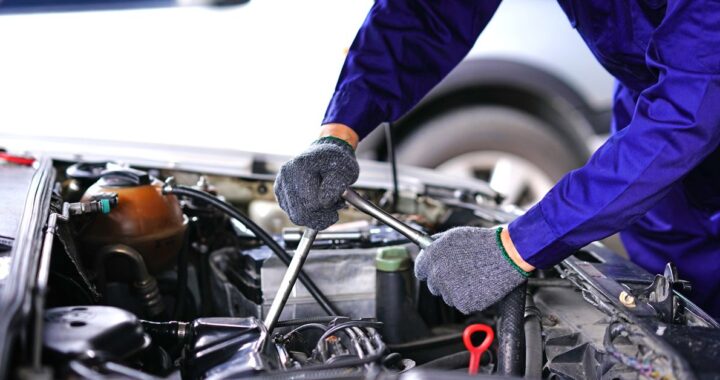 How Software Updates Are Becoming Part of Auto Service