

Used Car Buying Guide: How to Make a Smart, Confident Choice

Buying a used car can be one of the most practical financial decisions you make—if you approach it the right way. With lower upfront costs, slower depreciation, and a wide range of options, used cars appeal to first-time buyers and seasoned drivers alike. This guide walks you through everything you need to know, from benefits and risks to inspection tips and ownership costs.
Why Choose a Used Car?
A used car offers value that new vehicles often can’t match. While new cars lose a significant portion of their value in the first year, used cars have already absorbed most of that depreciation.
Key Advantages
- Lower purchase price compared to new cars
- Reduced depreciation, helping retain resale value
- Lower insurance premiums in most cases
- More options within the same budget, including higher trims
Types of Used Cars You’ll Find in the Market
Understanding categories helps you match expectations with price and condition.
Common Used Car Categories
- Certified Pre-Owned (CPO): Inspected, refurbished, and backed by a limited warranty
- Dealer Used Cars: Sold by dealerships, often inspected but not always certified
- Private Seller Cars: Usually cheaper, but fewer buyer protections
- Fleet or Rental Returns: High mileage but regularly maintained
What to Check Before Buying a Used Car
Skipping due diligence can turn a good deal into an expensive mistake.
Vehicle History
Always review a vehicle’s past to check for:
- Accident or flood damage
- Title issues or outstanding loans
- Number of previous owners
Physical Inspection
Focus on both visible and hidden issues:
- Uneven tire wear
- Rust on the frame or undercarriage
- Warning lights on the dashboard
Test Drive Essentials
During a test drive, pay attention to:
- Engine noise and vibration
- Brake responsiveness
- Steering alignment and suspension comfort
Understanding Used Car Pricing
Used car prices vary widely depending on several factors. Knowing what influences cost helps you negotiate effectively.
Factors That Affect Price
- Mileage: Lower mileage usually means higher price
- Age: Older cars cost less but may need more maintenance
- Brand reliability: Some brands hold value better than others
- Market demand: Popular models command higher prices
Financing and Ownership Costs
The purchase price is only part of the equation.
Ongoing Costs to Consider
- Fuel efficiency
- Routine maintenance and repairs
- Insurance and registration fees
Opting for a car with a strong reliability record can significantly reduce long-term expenses.
Tips to Get the Best Deal on a Used Car
A strategic approach can save you thousands.
Smart Buying Tips
- Set a firm budget including taxes and fees
- Compare prices across multiple sellers
- Be ready to walk away if something feels off
- Get a pre-purchase inspection from a trusted mechanic
Is a Used Car Right for You?
If you value practicality, flexibility, and savings, a used car is often the better choice. The key is patience—research thoroughly, inspect carefully, and negotiate confidently.
Frequently Asked Questions (FAQ)
1. How many miles is too many for a used car?
There’s no fixed limit, but cars over 100,000 miles should be evaluated carefully for maintenance history and condition.
2. Are certified pre-owned cars worth the extra cost?
Yes, for buyers seeking peace of mind through inspections and warranties, CPO cars can be a smart choice.
3. Should I buy a used car from a dealer or a private seller?
Dealers offer more protections, while private sellers may offer lower prices. The right choice depends on your risk tolerance.
4. Can I negotiate the price of a used car?
Absolutely. Used car prices are often negotiable, especially if you’ve done your market research.
5. Is it safe to buy a used car online?
It can be, provided you verify the seller, review vehicle history, and inspect the car before finalizing the purchase.
6. What documents should I receive when buying a used car?
You should receive the title, bill of sale, maintenance records (if available), and any warranty paperwork.
7. How long does a typical used car last?
With proper maintenance, many used cars can last 200,000 miles or more.
 How to Negotiate Used Car Prices Like a Professional Buyer
 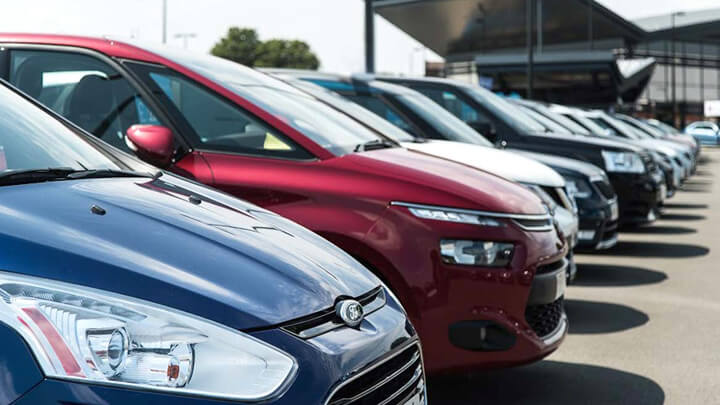 Used Cars For Sale – Second Hands Cars – Strategies For Buying
  Donate Your Next Hands Vehicle
 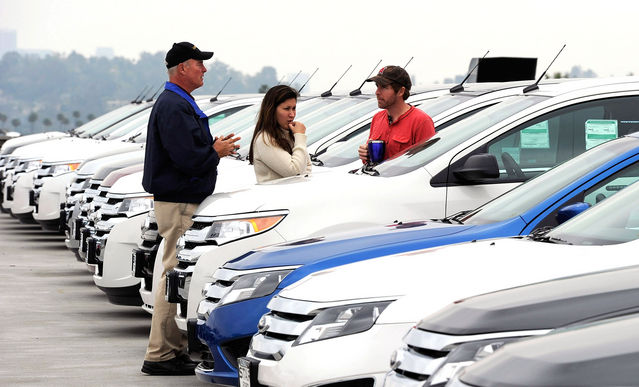 Used Cars For Sale For Purchase – Try the Auction Route
  When Is a great Time for you to Purchase A Used Vehicle?
  How you can Promote Your Used Vehicle
  KAIYI Auto Hosts 2026 Global Business Conference, Entering a New Phase of Global Expansion
 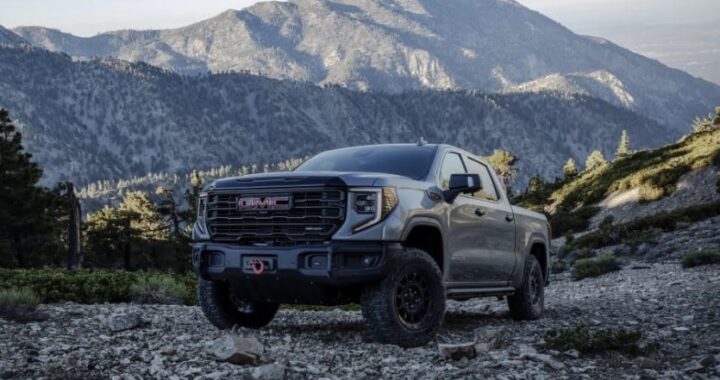 Truck Showdown in Florida: Owner-Loved Winners and Regretted Losers
  How Software Updates Are Becoming Part of Auto Service
  The Importance of Engine Tune-Ups in Auto Service